




With Ramadan upon us, health tipps are very much appreciated by the people who are fasting.
Health Experts also recognize the profound impact this season has on the body and mind. Through the lens of modern Longevity Science, they see that fasting—when approached with intention and awareness—acts as a holistic reset, supporting both physical well-being and mental clarity.
This is not about “surviving” until sunset. It is about honoring your health so you can move through your days with full presence and vitality—whether that is for work, family, or personal reflection.
The Divine Design: Metabolic Flexibility
To understand how to maintain energy throughout a long fast, it helps to understand how your body fuels itself.
Its primary fuel is sugar (glucose). But during a fasting window, you are teaching your body to access its backup generator: stored fat.
The key that locks the door to this backup generator is a hormone called Insulin.
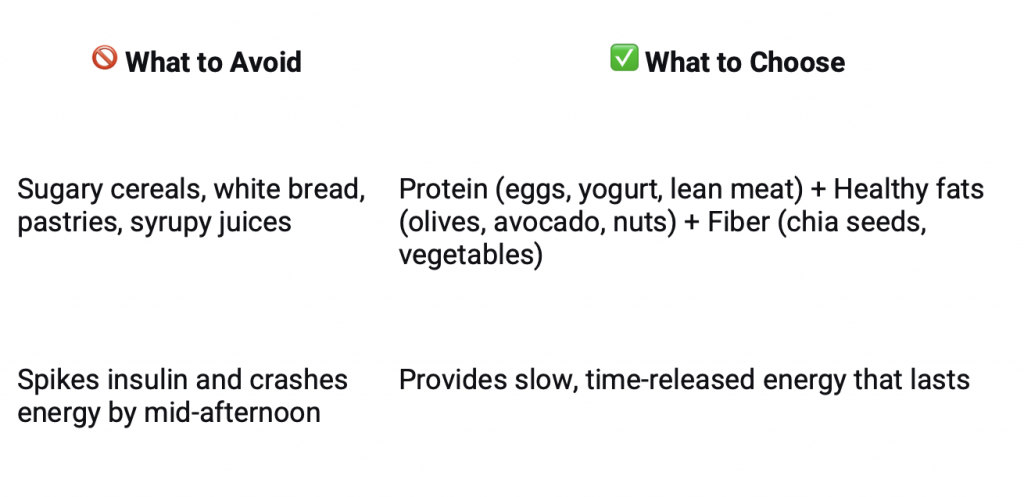
When we consume refined sugars and white flour at the pre-dawn meal (Suhoor), we spike our insulin levels. When insulin is high, the body cannot access its fat stores for energy. By midday, the sugar rush is gone, and you are left with brain fog, fatigue, and intense thirst.
By choosing foods that keep insulin low, you allow your body to perform a metabolic “handshake,” switching smoothly to burning fat. This is called metabolic flexibility, and it provides the steady, calm energy needed for long days of work, focus, and productivity.
The Suhoor Secret: Fuel for Stability
A properly structured pre-dawn meal is the fuel that powers your fast.
Breaking the Fast in Ramadan: The Optimal Refeed Method
The moment of breaking the fast is one of physiological importance. After hours of rest, shocking your system with heavy, sugary foods can lead to bloating, fatigue, and rapid fat storage.
Think of your digestive system as a computer waking from sleep mode—you don’t want to open every program at once.
- The Hydration & Date Phase: Start with water and 1-3 dates. Dates are nature’s perfect re-feed food, providing quick electrolytes and a gentle sugar boost to softly wake up the digestive system without the harsh spike of processed sweets.
- The Pause: Take a 15-20 minute break. This allows your body to register the initial fuel and begin producing the enzymes needed for digestion.
- The Meal: Now, eat your balanced meal. Start with soup and a salad (hydration and fiber), then move to your main meal slowly. This prevents the bloating and sluggishness that can weigh you down in the evening.
Your Holistic Ramadan Wellness Guide
This month, let your health practices be an extension of your personal goals.
- Hydration with Intention: Sip water consistently between Iftar and Suhoor. Aim for 8-10 glasses. Herbal teas count towards this.
- Move Your Body: A light walk before breaking your fast or after your evening meal keeps the body active and aids digestion.
- Prioritize Rest: The rhythms of the month change. A short power nap during the day can help maintain energy and mental clarity.
The Transcend Healthcare Takeaway

Dr. Sajid Burud: “Our role is to be your partner in health. When you understand how your body responds to fuel—particularly the role of insulin in energy regulation—you can make choices that work with your biology, not against it.
This Ramadan, we hope you feel strong, clear-headed, and energized. If you would like personalized guidance on managing your health—whether it’s weight management, diabetes, or simply optimizing your energy—we are here to help.”