



Persian Tea Culture – More Than a Drink
In Iran, Persian tea culture is part of life’s rhythm and it holds a place that goes far beyond refreshment. It is served in homes offices and markets where each glass marks a moment of welcome. A simple serving of tea says “You are welcome here” without the need for words. It is often the first gesture when someone arrives and the last taste before they leave. This small ritual transforms an ordinary drink into a symbol of connection and respect.
From Coffee to Chai – The Roots of Persian Tea Culture
Tea arrived in Persia in the 19th century through trade routes and was quickly embraced by the people. Before then coffee was the drink of choice but the smooth taste of tea and the ease of preparing it won hearts across the nation. In time it became the symbol of Persian hospitality and a tradition that still thrives today. Its journey from distant lands to every Persian household shows how a foreign habit can become a cherished part of local culture. Today tea is as much a part of Iran’s identity as its poetry and art.
The Samovar’s Warm Presence
At the heart of Persian tea culture is the samovar a metal urn that keeps water hot all day so tea is always ready to serve. In many homes it sits in a central place as a sign that no guest will ever wait for a warm welcome. The gentle hiss of the samovar has become a familiar background sound in gatherings. Families often choose ornate designs for their samovars turning them into decorative pieces that add charm to the home.
Brewing the Perfect Glass of Persian Tea
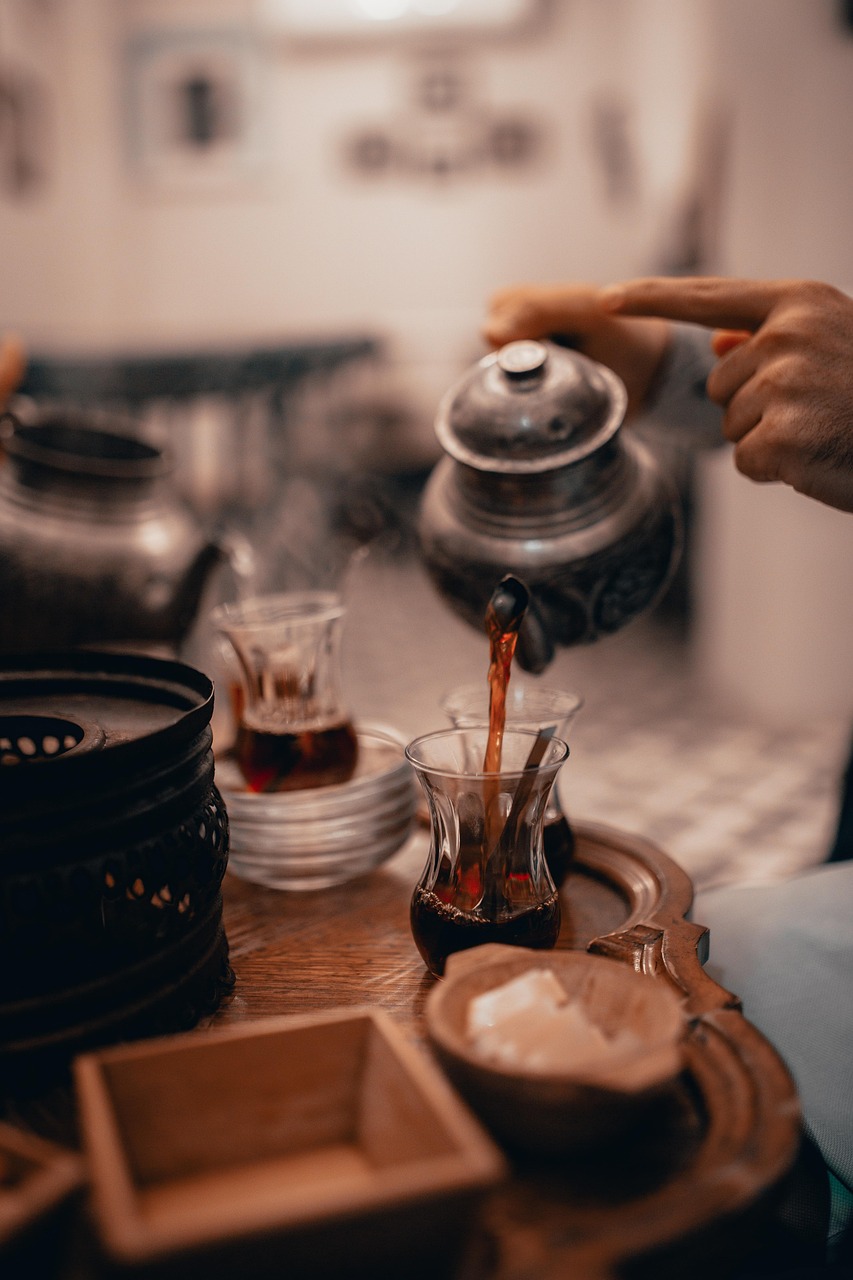
Persian tea is made with loose black leaves often grown in the green valleys of Gilan in northern Iran. A small teapot rests over the samovar allowing the tea to steep slowly until the liquid turns a deep amber. It is poured into slim handleless glasses so its color can be admired before the first sip. Hosts take pride in achieving the perfect strength and aroma making each glass a reflection of their care for the guest. For many brewing tea is as much about patience as it is about flavor.
Sweetness the Persian Way
Rather than adding sugar to the pot hosts serve nabat golden crystals of rock sugar alongside the tea. Guests place a piece in their mouth and let it dissolve as they drink creating a gentle sweetness with every sip. In some regions the tea is infused with rose petals or saffron for a fragrant twist. This small addition not only enhances the taste but also turns each cup into a sensory experience.

Persian Tea in Every Occasion
Tea is served throughout the day. Mornings bring it with bread cheese and fresh herbs while afternoons call for gaz from Isfahan or baklava from Yazd. During Nowruz the Persian New Year tea flows endlessly beside trays of festive pastries. No matter the time tea complements the flavors of Persian cuisine and elevates even the simplest meal. It is a companion to conversation work and moments of quiet reflection.
Where Persian Tea Tradition Lives On
To refuse tea in Iran is rare and to accept it is to accept friendship. In traditional chaikhaneh guests relax on carpets sipping tea from ornate trays as the scent of incense drifts through the air. These places are often filled with soft music and lively discussions that can last for hours. Whether enjoyed in a centuries-old teahouse or a modern café the ritual is unchanged. Tea remains a warm invitation to slow down connect and share in the heart of Persian culture.